From Subgrade to Surface: A Complete Asphalt Construction Guide for Property Owners
Whether you are planning a new driveway, a commercial parking lot, or a private road, understanding the fundamentals of asphalt construction is essential before committing to any project. Asphalt is one of the most widely used paving materials in North America, valued for its durability, cost-effectiveness, and relatively fast installation timeline. Yet many property owners underestimate the complexity involved in getting a quality result. From soil preparation to surface finishing, every phase of the process demands careful planning and skilled execution. This guide walks you through what to expect at each stage, helping you make informed decisions and avoid costly mistakes.
Why Proper Planning Makes or Breaks an Asphalt Project
The success of any asphalt installation begins long before the first truckload of hot mix arrives on site. Proper planning involves evaluating the intended use of the surface, the volume and type of traffic it will bear, local climate conditions, and the existing soil composition beneath the project area. Skipping or rushing this phase is one of the most common reasons asphalt surfaces fail prematurely, developing cracks, ruts, or drainage problems within just a few years of installation.
A thorough site assessment should include soil testing to determine load-bearing capacity, drainage mapping to identify where water will flow, and a review of any underground utilities that could complicate excavation. These steps are not optional extras — they are the foundation upon which a long-lasting pavement is built.
Understanding the Layers: What Goes Beneath the Asphalt
Asphalt pavement is not simply a single layer of black material poured over dirt. It is a carefully engineered system of multiple layers, each serving a specific structural purpose. The subgrade is the native soil at the bottom, which must be compacted and stabilized before anything else is placed on top. Above that sits the subbase, typically composed of crushed aggregate, which distributes load and provides drainage. The base course follows, offering additional structural support, and finally the surface course — the smooth, finished asphalt layer that vehicles and pedestrians interact with directly.
The thickness of each layer depends on the anticipated traffic load. A residential driveway requires far less depth than a commercial truck route. Getting these specifications right is critical, and this is where working with an experienced contractor pays dividends.
The Role of Aggregate in Asphalt Mix Design
The aggregate used in asphalt mix — the crushed stone, gravel, and sand — makes up roughly 95 percent of the material by weight. The size, gradation, and quality of this aggregate directly influence the pavement’s strength, flexibility, and resistance to wear. Coarser mixes are typically used for base layers, while finer, more tightly graded mixes are used for surface courses to achieve a smooth, dense finish. Understanding how mix design affects performance is a topic covered in depth by industry bodies, and those interested in the technical side can explore advanced pavement preservation and mix design methods offered through professional training programs.
The Installation Process: Step by Step
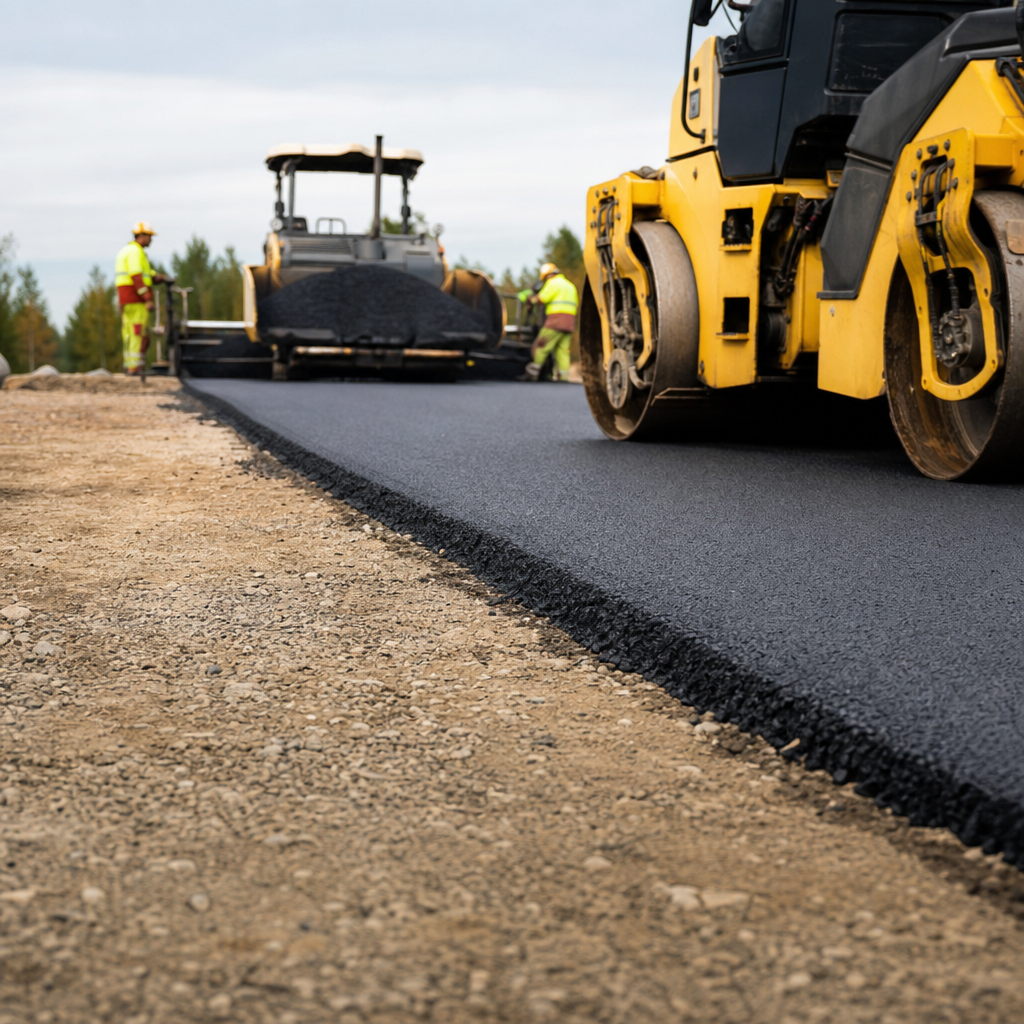
Once planning is complete and materials are selected, the installation process moves through several well-defined stages. Excavation removes existing material down to the required depth. Grading shapes the surface to ensure proper drainage, typically with a slight slope away from structures. The subbase is then laid and compacted using heavy rollers to eliminate air pockets and achieve the required density. The base course follows, and finally the hot mix asphalt surface course is applied using a paving machine that spreads the material evenly before rollers compact it to the specified thickness.
Temperature plays a critical role during installation. Hot mix asphalt must be laid and compacted while it remains above a certain temperature threshold — typically around 175 to 185 degrees Fahrenheit — before it cools and stiffens. This is why experienced crews work efficiently and why cold or wet weather can complicate or delay projects.
Curing, Sealing, and Early Maintenance
After installation, freshly laid asphalt needs time to cure and harden fully. Most contractors recommend keeping vehicle traffic off a new surface for at least 24 to 72 hours, and avoiding heavy loads for several days. Once cured, applying a sealcoat within the first year helps protect the surface from UV oxidation, water infiltration, and chemical spills. Regular crack filling and periodic resealing extend the life of the pavement significantly, often doubling or tripling its functional lifespan compared to neglected surfaces.
Innovative Surface Options for Residential and Commercial Projects
While traditional black asphalt remains the dominant choice, property owners today have access to a growing range of specialty surface options. Permeable asphalt allows water to drain through the pavement rather than running off, reducing flooding risk and meeting stormwater management requirements in many municipalities. Colored and decorative asphalt surfaces are also gaining popularity for aesthetic applications. For those exploring unique or customized paving solutions, products like PicklePave represent an interesting category of specialty surfacing designed for specific recreational and functional applications.
About Asphalt Coatings Company
Asphalt Coatings Company has built a strong reputation as a trusted resource for both property owners and industry professionals seeking reliable guidance on pavement installation, maintenance, and preservation. Their team brings decades of hands-on experience to every project, combining technical knowledge with practical field expertise to deliver results that stand up to real-world conditions. Whether you are managing a small residential project or overseeing a large commercial development, their resources and services are designed to support informed decision-making at every stage of the process.
Using Expert Resources to Guide Your Project
One of the most valuable steps any property owner or project manager can take before breaking ground is to consult a detailed, professionally prepared reference. The asphalt construction guide published by Asphalt Coatings Company covers the full scope of new asphalt installation, from initial site evaluation through long-term maintenance planning, providing the kind of depth and clarity that helps readers avoid common pitfalls and set realistic expectations for their projects.
Conclusion: Invest in Knowledge Before You Invest in Pavement
Asphalt construction is a significant investment, and like any major investment, it rewards those who approach it with preparation and knowledge. Understanding the layered structure of pavement, the importance of proper mix design, the nuances of installation timing, and the value of ongoing maintenance gives property owners a meaningful advantage when working with contractors and evaluating bids. A well-built asphalt surface can serve reliably for 20 to 30 years or more when properly designed, installed, and maintained. The time spent learning the process before the project begins is never wasted — it is the foundation of a result you can be confident in for decades to come.







Post Comment