Griwen Explained: What It Is, Where It Comes From, and What It’s Worth Today
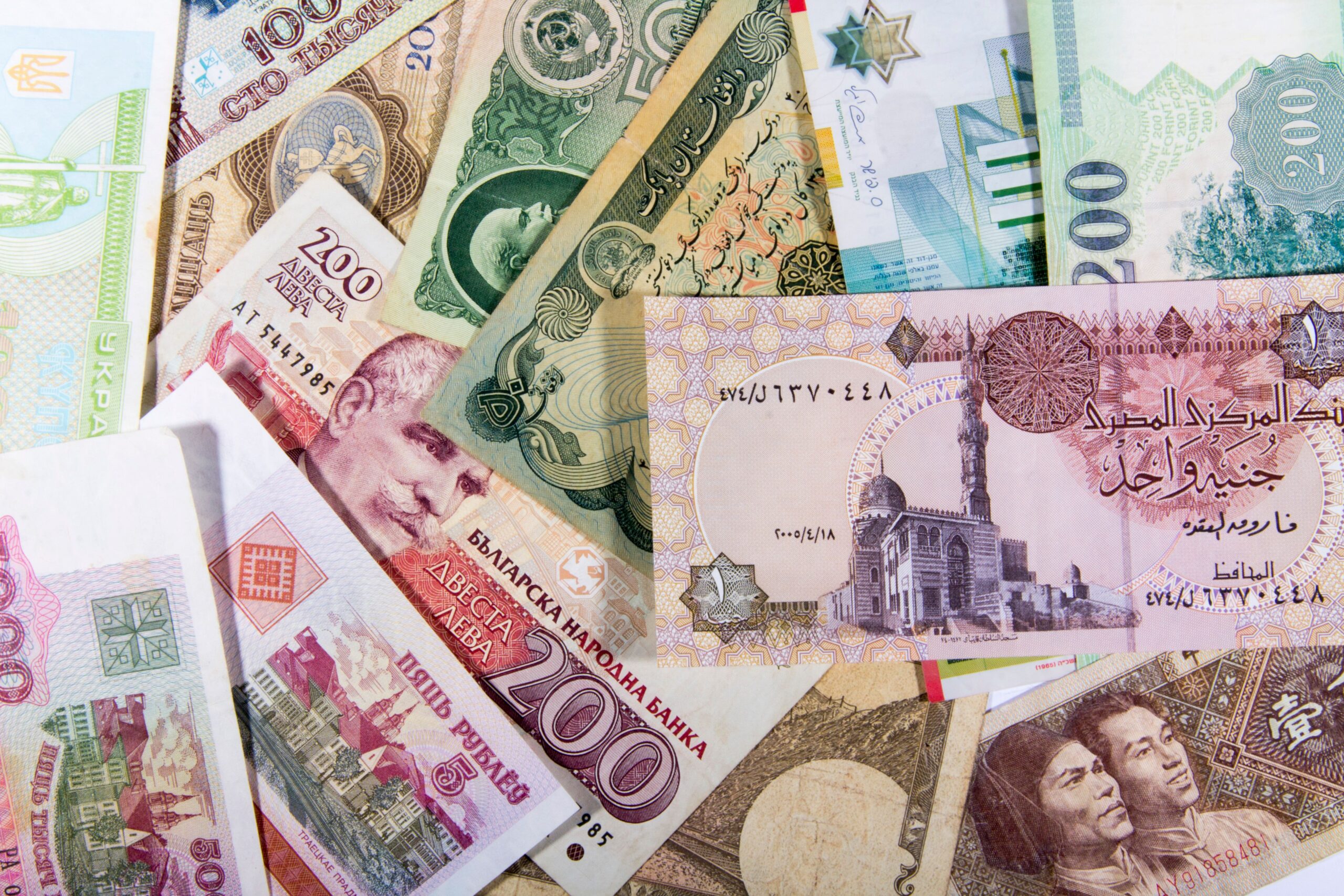
Quick Answer: Griwen (also spelled griwna, grivna, or griven) is an alternate transliteration of the Ukrainian hryvnia (UAH) — the official national currency of Ukraine. The term is most commonly used in German-speaking contexts and by coin collectors. One hryvnia equals 100 kopiykas, and the currency symbol is ₴.
Table of Contents
- What Is Griwen?
- Etymology: Where Does the Word Come From?
- Griwen vs. Hryvnia: What’s the Difference?
- A Brief History of the Ukrainian Currency
- Griwen Today: Current Value and Exchange Rates
- Ukrainian Banknotes and Coins Labelled “Griwen”
- Other Uses of “Griwen” (GRIVEN Lighting Brand)
- Frequently Asked Questions
What Is Griwen?
Griwen is a transliteration of the Ukrainian hryvnia, the national currency of Ukraine since September 2, 1996. You will encounter this spelling most often in:
- German-language texts — German speakers commonly render the Ukrainian word гривня as griwna or griwen
- Coin and banknote collecting — collector listings on eBay, auction sites, and philatelic shops frequently label Ukrainian notes as “1 Griwen,” “5 Griwen,” or “100 Griwen”
- Historical travel writing — older accounts of Ukraine (especially pre-2014) from European authors use “griwen” when quoting local prices
The currency code is UAH, the symbol is ₴, and one griwen/hryvnia divides into 100 kopiykas.
Etymology: Where Does the Word Come From?
The word traces back over 1,000 years. In Kievan Rus’ (the 9th–13th century medieval state centred on modern Kyiv), grivna referred to a neck ornament — a decorative hoop of silver or gold worn as jewellery. Because these ornaments were made from precious metal of a consistent weight, they evolved into a unit of weight and then a monetary unit.
The root word is the Proto-Slavic griva, meaning “mane” or “neck.” Across East Slavic languages the word takes different forms:
| Language | Spelling | Pronunciation |
|---|---|---|
| Ukrainian | гривня (hryvnia) | hrih-VEE-nee-ah |
| Russian | гривна (grivna) | GREEV-na |
| German | Griwna / Griwen | GREE-ven |
| English | Hryvnia / Hryvna | hrih-VEE-nee-ah |
| Belarusian | Грыўня (hryŭnia) | hrih-OO-nya |
The National Bank of Ukraine officially recommends the spelling “hryvnia” in English. “Griwen” is not wrong — it is simply the German-language rendering that has crossed into English collector and travel contexts.
Griwen vs. Hryvnia: What’s the Difference?
Nothing — they refer to the same currency. The difference is purely linguistic:
- Hryvnia = Standard English and Ukrainian transliteration (official)
- Griwen / Griwna = German transliteration (widely used in Central Europe)
- Grivna / Grivnya = Russian-influenced transliteration
- Hryvna = Shortened informal English variant
For financial transactions, exchange counters, and international banking, always use UAH (the ISO 4217 currency code) or the official name hryvnia. “Griwen” will be understood by numismatists and experienced Ukraine travellers, but may cause confusion in formal contexts.
A Brief History of the Ukrainian Currency
Understanding the griwen/hryvnia means understanding one of Europe’s most historically layered currencies.
Kievan Rus’ Origins (11th–14th Century)
The original grivna was a silver bullion ingot used as money across the Kievan Rus’ trade network. Different regions had different shapes:
- Kyiv grivna — hexagonal, ~150 grams of silver
- Novgorod grivna — long silver rod, ~240 grams
- Chernihiv grivna — transitional shape between the two
The first written record of “hryvnia” as currency appears in The Tale of Bygone Years, referencing Prince Oleg paying 300 hryvnias annually to Vikings in exchange for peace.
1918: The First Modern Hryvnia
During the Ukrainian Revolution, the Central Rada (Council) introduced the hryvnia on March 1, 1918 as the currency of the Ukrainian People’s Republic. It equalled 1/2 of the karbovanets and consisted of 100 shahs. Political upheaval ended it within months.
1996: The Contemporary Hryvnia
After Ukrainian independence in 1991, hyperinflation destroyed the transitional karbovanets. On September 2, 1996, under National Bank chairman Viktor Yushchenko, Ukraine launched the modern hryvnia at a rate of 1 hryvnia = 100,000 karbovanets. The rollout was covert — announced just days before it happened to prevent capital flight.
Since then, the hryvnia has gone through several major devaluations tied to the 2008 global financial crisis, the 2014 annexation of Crimea, and the full-scale Russian invasion in February 2022.
Griwen Today: Current Value and Exchange Rates
Note: Exchange rates fluctuate daily. Always check a live source like National Bank of Ukraine or a currency converter before transacting.
As of mid-2025, the hryvnia trades at approximately ₴41–₴42 per 1 USD, reflecting the managed exchange rate the National Bank of Ukraine has maintained since the 2022 wartime capital controls.
Key facts:
- The NBU sets a daily official rate; commercial banks and exchange bureaus may vary slightly
- Ukraine imposed foreign currency restrictions after February 2022; some transactions require documentation
- The hryvnia is not freely convertible outside Ukraine — exchange it before leaving the country or use international bank cards
Current Denominations in Circulation
Banknotes: ₴1 · ₴2 · ₴5 · ₴10 · ₴20 · ₴50 · ₴100 · ₴200 · ₴500 · ₴1,000
Coins: 1, 2, 5, 10 kopiykas (being phased out) · ₴1 · ₴2 · ₴5 · ₴10
Each banknote features a significant figure from Ukrainian history on the front and a landmark associated with them on the reverse — a design unique among European currencies. Notable faces include poet Taras Shevchenko (₴100) and writer Ivan Franko (₴20).
Ukrainian Banknotes and Coins Labelled “Griwen”
If you encounter listings on eBay, Delcampe, or numismatic auction sites using “griwen,” these are almost always German or Austrian sellers listing Ukrainian banknotes for collectors. Common listings include:
- Ukraine 1 Griwen 2014 Banknote — typically €2–€3
- Ukraine 100 Griwen 2019 (P.126b) — typically €7–€10
- Ukraine 500 Griwen 1918 (historic) — significantly higher collector value
These are genuine Ukrainian currency notes, not a separate currency. The “griwen” label is a seller-side linguistic convention, not an official denomination name.
Collector tip: For grading purposes, condition abbreviations (UNC, VF, aEF) follow standard numismatic conventions regardless of the “griwen” label.
Other Uses of “Griwen”: The GRIVEN Lighting Brand
A separate entity that surfaces for this keyword is GRIVEN — an Italian manufacturer of professional LED lighting fixtures for architectural and landscape applications. Founded in 1990, GRIVEN has been part of the Experience Brands portfolio since 2015.
GRIVEN produces:
- Colour-changing LED luminaires
- Surface-mount and recessed fixtures
- Underwater lighting
- Linear and modular systems for stadiums and monuments
If you searched “griwen” looking for lighting products, visit griven.com directly. The two entities — Ukrainian currency and the lighting brand — share a near-identical name but are entirely unrelated.
6. FAQ SECTION
Q: What does “griwen” mean? Griwen is an alternate (primarily German-language) spelling of the Ukrainian hryvnia (UAH), Ukraine’s national currency. It is not a separate currency — the terms griwen, griwna, grivna, and hryvnia all refer to the same monetary unit.
Q: How much is 1 griwen worth in USD? One Ukrainian hryvnia (₴1) is worth approximately $0.024 USD as of mid-2025, meaning roughly 41–42 hryvnias equal one US dollar. Exchange rates change daily; check the National Bank of Ukraine’s official rate before converting.
Q: Why is Ukrainian money called “griwen” in some places? German speakers transliterate the Ukrainian word гривня (hryvnia) as griwna or griwen. Because many European coin dealers and collectors operate in German, this spelling appears widely on auction platforms like eBay Germany and in older travel writing about Ukraine.
Q: Is griwen the same as hryvnia? Yes, completely. Griwen and hryvnia are different transliterations of the same Ukrainian word (гривня). The National Bank of Ukraine uses “hryvnia” as the official English spelling. “Griwen” is the informal German-language version.
Q: Can I use hryvnias (griwen) outside of Ukraine? Generally no. The hryvnia is not widely accepted abroad and is difficult to exchange outside Ukraine. The National Bank of Ukraine imposed currency controls after February 2022, restricting how much cash can be taken out of the country. Use international debit/credit cards when travelling to or from Ukraine.
Q: What is GRIVEN (without the W)? GRIVEN is an Italian manufacturer of professional LED architectural lighting, founded in 1990. It is completely unrelated to the Ukrainian currency. If you’re searching for lighting products, the company’s website is griven.com.
Q: What is the symbol for the hryvnia/griwen? The official symbol is ₴ — a cursive Cyrillic letter “Г” (He) with a double horizontal stroke, similar in concept to the euro (€) or yen (¥) symbols. It was officially adopted in 2004 after a public design competition run by the National Bank of Ukraine.
7. CONCLUSION
Griwen is not a mysterious term — it is simply the German-language transliteration of the Ukrainian hryvnia, one of Eastern Europe’s most historically rich currencies. Whether you are a traveller planning a trip to Kyiv, a coin collector browsing European auction sites, or a researcher exploring Ukrainian monetary history, understanding that griwen = hryvnia = UAH unlocks everything you need.
The currency’s story stretches from silver bullion necklaces in 11th-century Kievan Rus’ to a modern managed-float rate held stable under wartime conditions. Behind every griwen banknote is over a thousand years of Ukrainian identity, language, and economic history.
For the latest exchange rates, always consult the National Bank of Ukraine at bank.gov.ua.







Post Comment