Gustoma: The Restaurant Growth Platform Helping Brick-and-Mortar Restaurants Fill More Tables
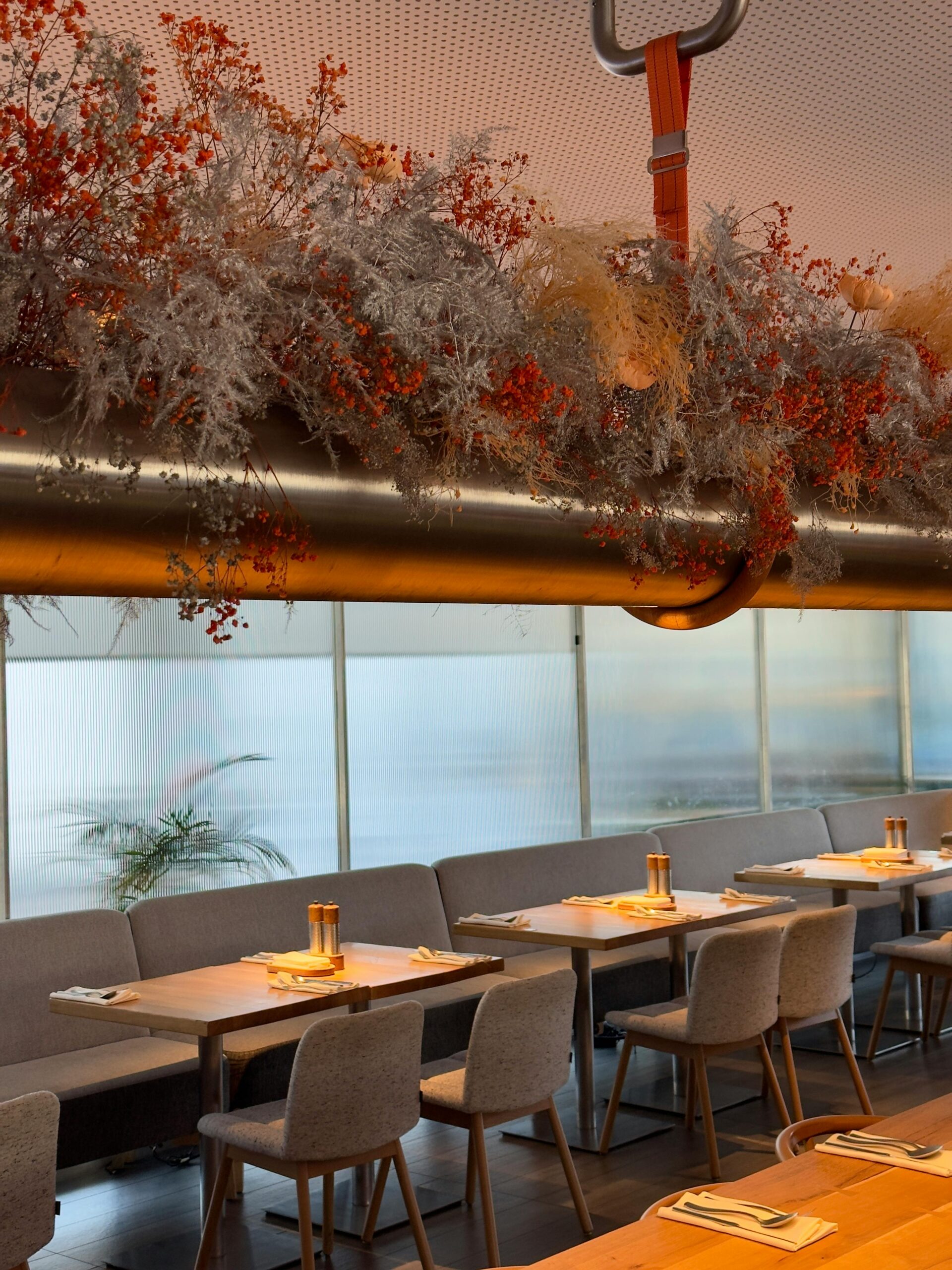
Restaurant marketing has changed dramatically over the last decade. Traditional advertising methods such as newspaper ads, generic social media posts, and random promotions no longer produce consistent results for most restaurants. Consumers now expect engaging visual experiences, personalized advertising, and memorable brand storytelling before they decide where to dine.
This is where Gustoma stands out. The platform helps brick-and-mortar restaurants grow through precision advertising, cinema-grade content, and data-driven campaigns designed to increase reservations, improve customer retention, and maximize revenue.
For restaurant owners facing rising food costs, labor shortages, and increased competition, marketing efficiency matters more than ever. A restaurant can serve incredible food, but without visibility and strategic promotion, empty tables remain a constant problem.
This comprehensive guide explains how Gustoma works, why restaurant marketing is evolving, and how restaurants can use modern growth strategies to compete successfully in today’s hospitality industry.
What Is Gustoma?
Gustoma is a restaurant growth platform focused on helping physical restaurants attract more customers through targeted advertising, cinematic visual content, and measurable marketing campaigns.
Unlike traditional agencies that rely on broad awareness campaigns, Gustoma focuses on measurable restaurant outcomes such as:
- Increased reservations
- Higher walk-in traffic
- Improved repeat visits
- Better local brand recognition
- Increased average order value
- Stronger customer engagement
Quick Definition
Gustoma is a restaurant-focused marketing solution that combines advanced advertising strategies, professional visual storytelling, and campaign analytics to help restaurants consistently fill tables.
The platform addresses one of the biggest challenges in hospitality: converting online attention into real-world dining traffic.
Why Restaurants Struggle With Modern Marketing
Many restaurant owners still rely on outdated marketing strategies that fail to connect with modern consumers.
Common Restaurant Marketing Problems
- Inconsistent branding
- Poor-quality food photography
- Untargeted advertising
- Weak social media engagement
- No campaign tracking
- Low customer retention
- Generic promotions that blend into competitors
Restaurants also compete in an extremely crowded digital environment. Consumers are constantly exposed to food influencers, review platforms, delivery apps, and viral dining trends.
Without a strong visual identity and data-backed marketing strategy, restaurants often waste advertising budgets on campaigns that do not produce measurable returns.
How Gustoma Helps Restaurants Fill More Tables
The core mission of Gustoma is simple: increase restaurant occupancy and customer demand.
The company achieves this through three primary pillars:
- Precision advertising
- Cinema-grade content production
- Data-driven optimization
Together, these elements create a full restaurant growth ecosystem rather than isolated marketing tactics.
The Restaurant Growth Formula
Restaurants need more than visibility. They need campaigns that influence customer decisions.
Gustoma focuses on:
- Reaching nearby high-intent diners
- Creating visually compelling restaurant content
- Measuring campaign performance continuously
- Optimizing promotions based on customer behavior
This integrated strategy allows restaurants to improve marketing efficiency while building a recognizable local brand.
Gustoma Precision Advertising Explained
One of the most important components of modern restaurant marketing is targeting the right audience.
What Is Precision Advertising?
Precision advertising uses customer behavior, demographics, location data, and dining preferences to deliver highly targeted marketing campaigns.
Instead of advertising to everyone, campaigns focus on consumers most likely to visit the restaurant.
How Precision Advertising Benefits Restaurants
Restaurants can target audiences based on:
- Geographic location
- Dining habits
- Age demographics
- Income levels
- Interests and lifestyle
- Past engagement behavior
- Seasonal dining trends
This reduces wasted ad spend while increasing campaign relevance.
Example Scenario
A premium steakhouse in a busy urban district may target:
- Professionals aged 28–50
- Customers interested in luxury dining
- Nearby office workers
- Weekend fine-dining audiences
- High-income households within driving distance
This targeted approach typically produces stronger reservation conversion rates than broad, generic campaigns.
The Power of Cinema-Grade Restaurant Content
Visual presentation has become one of the strongest drivers of restaurant discovery.
Modern diners often decide where to eat based on:
- Instagram content
- TikTok videos
- Google images
- Reels and short-form video
- Influencer recommendations
- Food photography
Why Visual Quality Matters
High-quality visuals create emotional appeal.
Cinema-grade restaurant content helps customers imagine:
- The dining atmosphere
- Food presentation
- Service experience
- Social environment
- Overall restaurant identity
Low-quality smartphone photos rarely create the same emotional response.
Elements of Strong Restaurant Content
Gustoma-style cinematic restaurant content often includes:
- Slow-motion food shots
- Professional lighting
- Atmospheric interior visuals
- Chef preparation scenes
- Customer experience storytelling
- Dynamic editing
- Brand-focused color grading
Image Alt Text Suggestion
“Gustoma restaurant marketing campaign featuring cinematic food photography and precision advertising strategy.”
Data-Driven Campaigns and Performance Tracking
One major weakness in traditional restaurant marketing is the lack of measurable performance tracking.
Many businesses run campaigns without understanding:
- Which ads produce reservations
- Which visuals drive engagement
- Which audience converts best
- Which promotions increase repeat visits
How Data Improves Restaurant Marketing
Data-driven campaigns allow restaurants to optimize decisions continuously.
Metrics often include:
- Click-through rates
- Reservation conversions
- Cost per acquisition
- Customer retention
- Engagement rates
- Return on ad spend
- Geographic performance trends
Why Analytics Matter
Restaurants operate on tight margins.
Small improvements in customer acquisition efficiency can significantly impact profitability over time.
Campaign analytics also help restaurant owners understand:
- Peak demand periods
- Customer behavior patterns
- Menu popularity trends
- Promotion effectiveness
This transforms marketing from guesswork into a measurable business strategy.
Key Features That Make Gustoma Different
The restaurant marketing space is crowded, but several characteristics help differentiate Gustoma from traditional marketing agencies.
Restaurant-Specific Focus
Unlike general marketing firms, Gustoma focuses specifically on restaurant growth.
This industry specialization allows for:
- Hospitality-focused campaigns
- Restaurant audience expertise
- Food-centered storytelling
- Better dining conversion strategies
Integrated Marketing Approach
Many agencies separate content creation, advertising, and analytics.
Gustoma combines all three into one coordinated growth system.
Conversion-Oriented Campaigns
The goal is not simply social media engagement.
Campaigns are designed to:
- Increase bookings
- Improve occupancy
- Drive repeat traffic
- Strengthen local awareness
High-End Visual Branding
Professional visuals help restaurants compete with larger hospitality brands.
This is especially important in premium dining categories where presentation strongly influences customer perception.
Benefits of Using Gustoma for Restaurant Growth
Restaurants that invest in strategic marketing often gain significant competitive advantages.
Major Benefits
Increased Customer Traffic
Targeted campaigns help restaurants reach consumers actively searching for dining experiences.
Stronger Brand Identity
Consistent visual branding creates familiarity and trust.
Better Advertising Efficiency
Precision targeting reduces wasted spending.
Improved Social Engagement
High-quality visuals generate more shares, comments, and interactions.
Better Customer Retention
Data insights support personalized promotions and loyalty strategies.
Higher Revenue Potential
Fuller tables typically lead to:
- Increased average ticket size
- Better operational efficiency
- Higher overall profitability
Traditional Restaurant Marketing vs Gustoma
The following comparison highlights how modern restaurant growth strategies differ from outdated approaches.
| Marketing Element | Traditional Restaurant Marketing | Gustoma Approach |
|---|---|---|
| Advertising | Broad and generic | Precision-targeted campaigns |
| Visual Content | Basic smartphone images | Cinema-grade visuals |
| Analytics | Minimal tracking | Data-driven optimization |
| Audience Strategy | Mass exposure | High-intent local targeting |
| Branding | Inconsistent | Cohesive storytelling |
| Conversion Focus | Awareness only | Reservations and repeat visits |
| Campaign Updates | Infrequent | Continuous optimization |
This modern approach aligns more closely with current consumer behavior patterns.
How Restaurants Can Maximize Results With Gustoma
Restaurants can improve campaign performance significantly when they align marketing with operational excellence.
Best Practices for Restaurant Growth
Maintain Consistent Branding
Use consistent:
- Colors
- Tone of voice
- Photography style
- Menu presentation
- Interior design visuals
Invest in Customer Experience
Even the best marketing cannot compensate for poor service.
Restaurants should ensure:
- Fast service
- Friendly staff
- Clean environments
- Strong food quality
Leverage Seasonal Campaigns
Restaurants benefit from:
- Holiday promotions
- Limited-time menus
- Event-based campaigns
- Local celebrations
- Weekend specials
Encourage User-Generated Content
Customer photos and reviews increase trust and social proof.
Restaurants can encourage guests to:
- Tag social accounts
- Leave reviews
- Share dining experiences
- Post food photography
Common Restaurant Marketing Mistakes to Avoid
Many restaurants unintentionally damage their growth potential through avoidable marketing errors.
Using Low-Quality Photography
Poor visuals create weak first impressions.
Ignoring Local SEO
Restaurants should optimize:
- Google Business profiles
- Maps visibility
- Local keywords
- Customer reviews
Running Untargeted Ads
Broad advertising wastes budget.
Precision targeting typically produces stronger returns.
Posting Inconsistently
Irregular social activity weakens audience engagement.
Failing to Measure Results
Restaurants should continuously analyze campaign performance and customer behavior.
Real-World Restaurant Marketing Trends
Restaurant marketing continues evolving rapidly.
Several trends are shaping the future of hospitality growth.
Video-First Marketing
Short-form video content dominates social engagement.
Restaurants increasingly rely on:
- Reels
- TikTok clips
- Behind-the-scenes videos
- Food preparation footage
Hyper-Local Advertising
Consumers prefer nearby dining experiences.
Location-based advertising helps restaurants target high-intent local audiences.
Influencer Partnerships
Food creators and local influencers can increase restaurant visibility quickly.
Personalized Promotions
Consumers respond better to personalized offers than generic discounts.
Data-Driven Decision Making
Analytics increasingly guide:
- Ad spending
- Menu promotions
- Customer segmentation
- Seasonal campaigns
These trends reinforce the value of platforms focused on measurable restaurant growth.
Who Should Use Gustoma?
Not every restaurant has identical marketing needs.
However, Gustoma can be particularly valuable for:
Independent Restaurants
Smaller establishments often struggle against larger chains with bigger marketing budgets.
Fine Dining Restaurants
Premium restaurants benefit heavily from cinematic visual branding.
Cafes and Trendy Food Concepts
Social-media-friendly restaurants often gain strong results from high-quality visual campaigns.
Multi-Location Restaurant Groups
Data-driven marketing helps scale customer acquisition efficiently.
Restaurants Expanding Into New Markets
Targeted campaigns help establish local awareness quickly.
Alternatives to Gustoma
Restaurants evaluating marketing solutions may also consider:
- Traditional marketing agencies
- Freelance social media managers
- In-house marketing teams
- Restaurant PR firms
- Influencer-focused campaigns
However, many alternatives lack the integrated combination of:
- Precision advertising
- Cinematic branding
- Restaurant-specific expertise
- Data-driven optimization
This integrated approach can create stronger long-term marketing consistency.
The Future of Restaurant Marketing
Restaurant marketing is becoming increasingly competitive and technology-driven.
Several developments are likely to shape the industry further.
AI-Powered Audience Targeting
Artificial intelligence can improve campaign personalization and customer segmentation.
Advanced Customer Analytics
Restaurants will increasingly use behavioral insights to predict customer preferences.
Immersive Visual Experiences
Video quality expectations will continue rising.
Consumers increasingly expect premium visual storytelling before visiting restaurants.
Integrated Omnichannel Campaigns
Future campaigns will combine:
- Social media
- Search advertising
- Influencer marketing
- Email campaigns
- Loyalty systems
- Customer data platforms
Restaurants that adapt quickly will gain stronger market positioning.
Frequently Asked Questions
What is Gustoma?
Gustoma is a restaurant growth platform that helps brick-and-mortar restaurants attract more customers through precision advertising, cinema-grade content, and data-driven marketing campaigns.
How does Gustoma help restaurants increase reservations?
Gustoma uses targeted advertising and visually engaging content to reach nearby high-intent diners, improving restaurant visibility and increasing booking conversions.
Why is cinematic content important for restaurants?
Professional restaurant visuals create emotional engagement and influence dining decisions. High-quality food photography and video content help restaurants stand out on social media and search platforms.
What makes data-driven restaurant marketing effective?
Data-driven marketing allows restaurants to track campaign performance, optimize advertising spend, understand customer behavior, and improve conversion rates over time.
Is Gustoma suitable for small restaurants?
Yes. Independent restaurants, cafes, and local dining businesses can benefit from targeted marketing strategies that improve visibility and attract local customers.
Conclusion
Modern restaurant success depends on more than exceptional food. Restaurants must also compete for attention in an increasingly visual, digital, and data-driven marketplace.
Gustoma helps restaurants bridge the gap between online engagement and real-world dining traffic through precision advertising, cinematic storytelling, and measurable campaign optimization.
For restaurants seeking sustainable growth, stronger local visibility, and consistently fuller tables, integrated marketing strategies are becoming essential rather than optional.
As customer expectations evolve, restaurants that embrace targeted advertising, premium visual branding, and analytics-driven decision-making will be better positioned to thrive in a highly competitive hospitality landscape.




Post Comment