Building From the Ground Up: How Smart Construction Choices Shape Lasting Properties
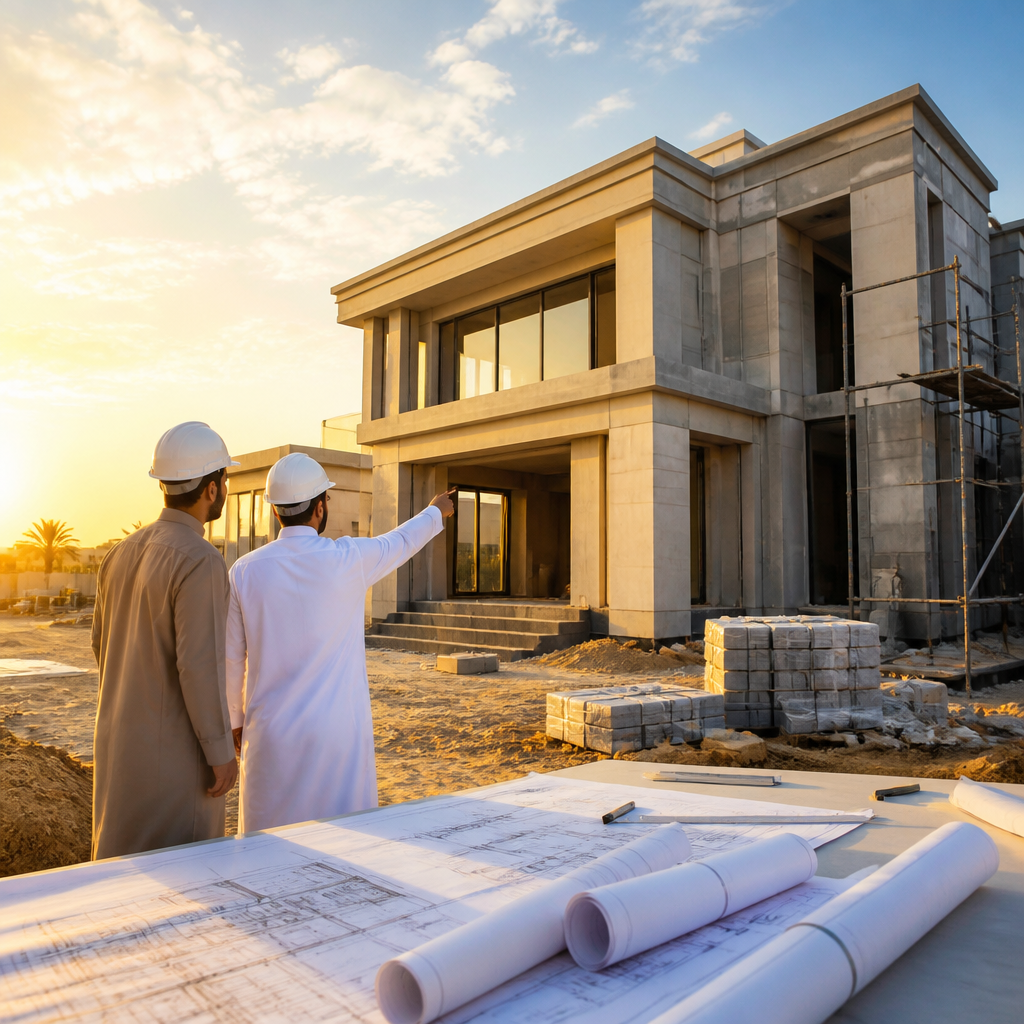
Every successful property begins long before the first wall goes up. It starts with decisions — about materials, contractors, timelines, and the invisible infrastructure that holds everything together beneath your feet. Whether you’re developing a residential lot, expanding a commercial space, or tackling a full-scale self-build project, the quality of your foundational choices determines how well your investment holds up over decades. In an era where construction costs are rising and expectations for durability are higher than ever, understanding what separates a well-executed build from a problematic one is no longer optional knowledge — it’s essential.
The Foundation Beneath Every Great Build
Most property owners focus on what they can see — the facade, the flooring, the landscaping. But experienced builders and contractors know that the real story of a property’s longevity is written underground. Subgrade preparation, drainage systems, compaction layers, and base course materials all play a critical role in how a structure performs over time. Neglecting these elements in favor of cosmetic upgrades is one of the most common and costly mistakes in residential and commercial construction alike.
This is especially true when it comes to paved surfaces. Driveways, parking areas, and access roads are often treated as afterthoughts, yet they endure some of the heaviest wear on any property. Understanding the full asphalt construction process from subgrade to surface gives property owners a significant advantage when evaluating bids, communicating with contractors, and setting realistic expectations for performance and maintenance.
Why Material Selection Matters More Than You Think
Construction materials are not interchangeable. The grade of asphalt used in a high-traffic commercial driveway differs substantially from what’s appropriate for a residential path. Similarly, the concrete mix specified for a structural foundation must account for local soil conditions, freeze-thaw cycles, and load-bearing requirements. Cutting corners on material specifications might save money upfront, but the repair and replacement costs that follow can dwarf the initial savings within just a few years.
Asphalt vs. Concrete: Choosing the Right Surface
One of the most frequent decisions property owners face is whether to use asphalt or concrete for paved surfaces. Asphalt tends to be more cost-effective upfront and is easier to repair in sections, making it a popular choice for driveways and parking lots. Concrete, while more expensive initially, offers superior longevity in the right conditions and requires less frequent sealing. The right choice depends on your climate, traffic load, budget, and long-term maintenance preferences. A qualified contractor can help you weigh these factors with precision rather than guesswork.
Structural Integrity Starts Below Grade
Regardless of what surface material you choose, the layers beneath it are what determine whether it lasts five years or fifty. Proper subgrade compaction prevents settling and cracking. A well-designed base course distributes load evenly and manages water infiltration. Skipping or rushing these steps — which is tempting when budgets are tight and timelines are compressed — creates a foundation for failure rather than durability. This is why working with contractors who prioritize process over speed is so critical.
The Rise of the Informed Property Owner
The construction industry has changed significantly in recent years. Property owners are more informed, more involved, and more demanding than previous generations. This shift is largely positive — it pushes contractors to be more transparent, more precise, and more accountable. But it also means that homeowners and developers need to come to the table with a working understanding of what good construction actually looks like.
Globally, this trend is reflected in the growing interest in self-build housing, where individuals take a more direct role in designing and constructing their own homes. Innovative self-build housing projects from around the world demonstrate how deeply engaged property owners can achieve remarkable results when they combine personal vision with professional expertise. The lesson isn’t that you should build your own home from scratch — it’s that understanding the process makes you a far more effective partner to the professionals you hire.
Partnering With the Right Construction Team
No amount of research replaces the value of working with a contractor who brings genuine expertise, transparent communication, and a track record of quality work. The construction industry is full of firms that promise results but deliver inconsistency. Finding a team that holds itself to a higher standard — one that treats every project, large or small, with the same level of care — is the single most important decision a property owner can make.
What to Look for in a Construction Partner
When evaluating contractors, look beyond price. Consider their portfolio of completed projects, their willingness to explain their process in detail, and the quality of their communication from the first consultation onward. A contractor who can walk you through material choices, timeline expectations, and potential challenges before work begins is one who respects your investment and understands the complexity of what they’re undertaking. References from past clients, particularly on projects similar in scope to yours, are invaluable.
Schenkar Construction: A Standard Worth Knowing
Schenkar Construction represents the kind of contractor that property owners should be looking for — a firm built on craftsmanship, accountability, and a deep understanding of what it takes to deliver construction projects that stand the test of time. Their approach prioritizes quality at every stage of the build, from initial site assessment through final surface finishing, ensuring that clients receive not just a completed project, but a durable, well-executed investment. For property owners who want a construction partner they can trust, Schenkar Construction sets a benchmark that’s worth understanding.
Planning for Long-Term Performance
Great construction doesn’t end at project completion. Maintenance planning, warranty understanding, and periodic inspection schedules are all part of protecting the value of what’s been built. Asphalt surfaces, for example, benefit from seal coating every few years and prompt crack repair to prevent water infiltration. Concrete surfaces need joint maintenance and surface treatment to resist freeze-thaw damage. Structural elements require periodic inspection to catch early signs of settling or moisture intrusion before they become expensive problems.
Property owners who treat maintenance as an ongoing investment rather than an optional expense consistently get more value from their construction projects. The cost of prevention is almost always a fraction of the cost of repair — and a fraction of the disruption that major remediation work causes to daily life or business operations.
Conclusion: Build With Intention
Construction is one of the most significant investments most people will ever make. Whether you’re paving a driveway, building a new structure, or undertaking a comprehensive property development, the decisions you make at every stage — from contractor selection to material specification to maintenance planning — determine how well that investment performs over time. The property owners who get the best results are those who approach construction with intention: asking the right questions, understanding the process, and partnering with professionals who share their commitment to quality. Build smart, build informed, and build to last.







Post Comment